The Energy Crunch and the Smarter Way Through
Global electricity demand is entering a period of sustained, structural growth. The world’s grids must absorb surging loads from electric vehicles, industrial electrification, expanding air conditioning, digitalization and AI. Each of these shifts is accelerating at once in an electrification supercycle that is transforming electricity from a supporting utility into the backbone of the global economy.
Electricity demand is forecast to grow 34% in the next ten years and 75% by 2050, according to BloombergNEF’s New Energy Outlook 2025.1 “Despite their prominence, data centers are not the biggest growth driver globally,” notes BloombergNEF Chief Economist David Hostert, “though their impact is going to be very local and there are specific regions where they put a lot of pressure on grids.”

Instead, EVs are the biggest growth driver in the short and long run, making up 4.6% of total global power demand by 2035 and 11.2% by 2050. Meanwhile, power demand for data centers is less but significant, jumping to 4.5% by 2035 and then to 8.7% in 2050 of the global total. Together with AC and manufacturing, they are creating an unprecedented step-up in load growth.2
The implications are already visible.
Electricity prices are climbing near dense digital and industrial clusters.
Weather extremes are testing aging transmission networks.
Outages such as the one in Spain in April 2025 expose the need to manage an increasingly complex and decentralized power infrastructure.3
Meanwhile, emerging markets, where more than a billion people still lack reliable power, are expanding access and adding new demand.4
And advanced economies are reindustrializing as protectionist trade policies proliferate.
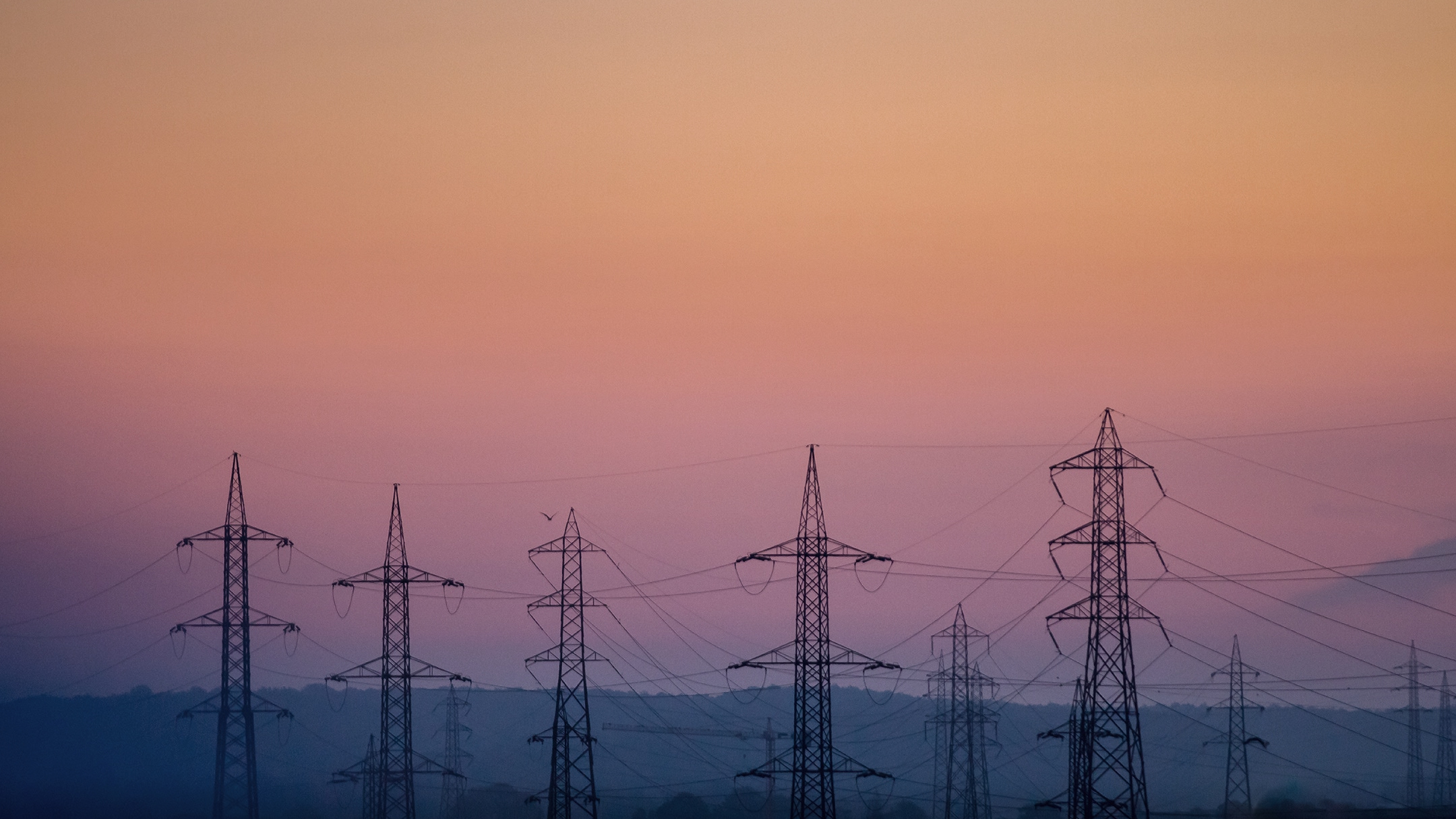
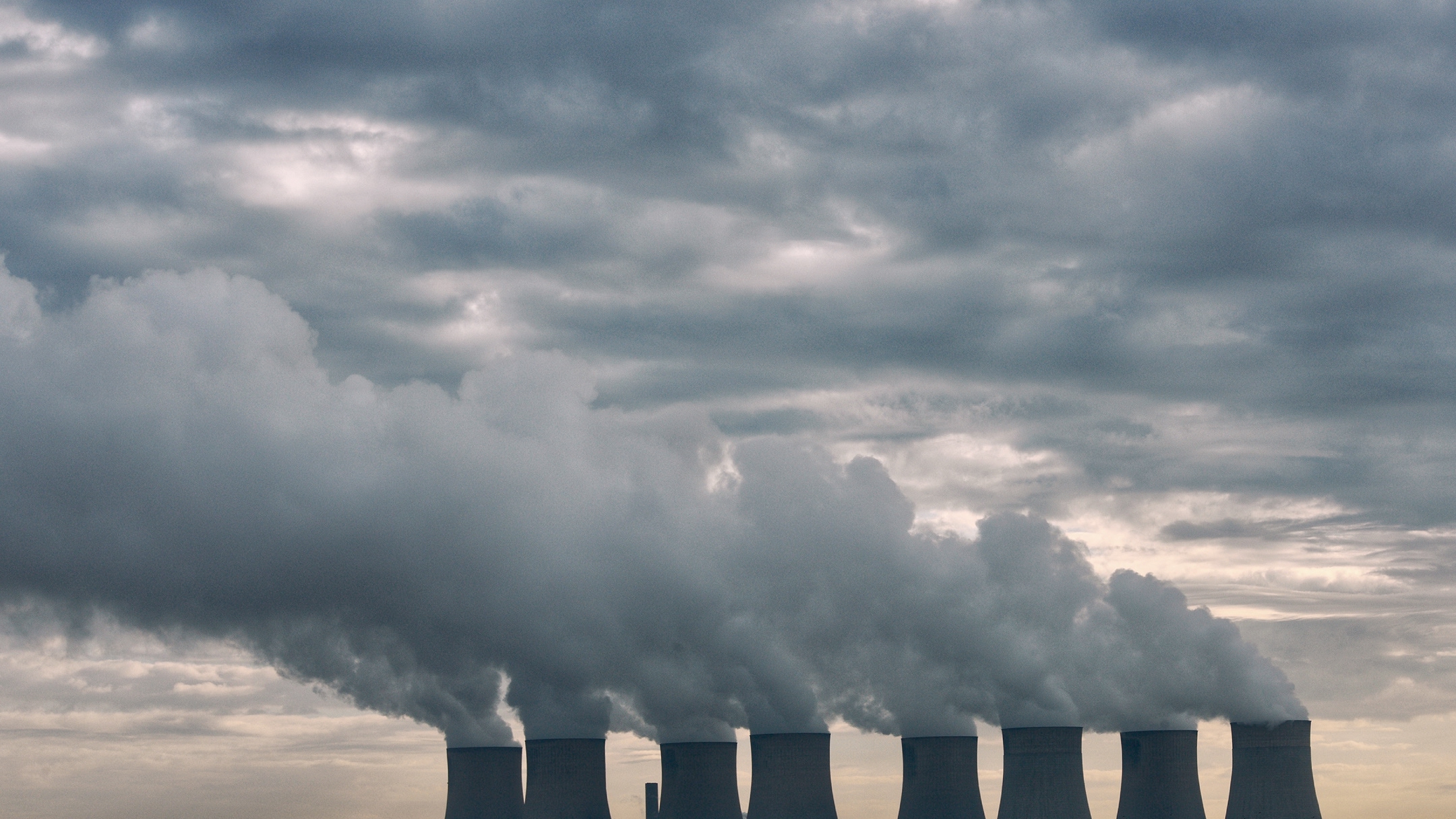



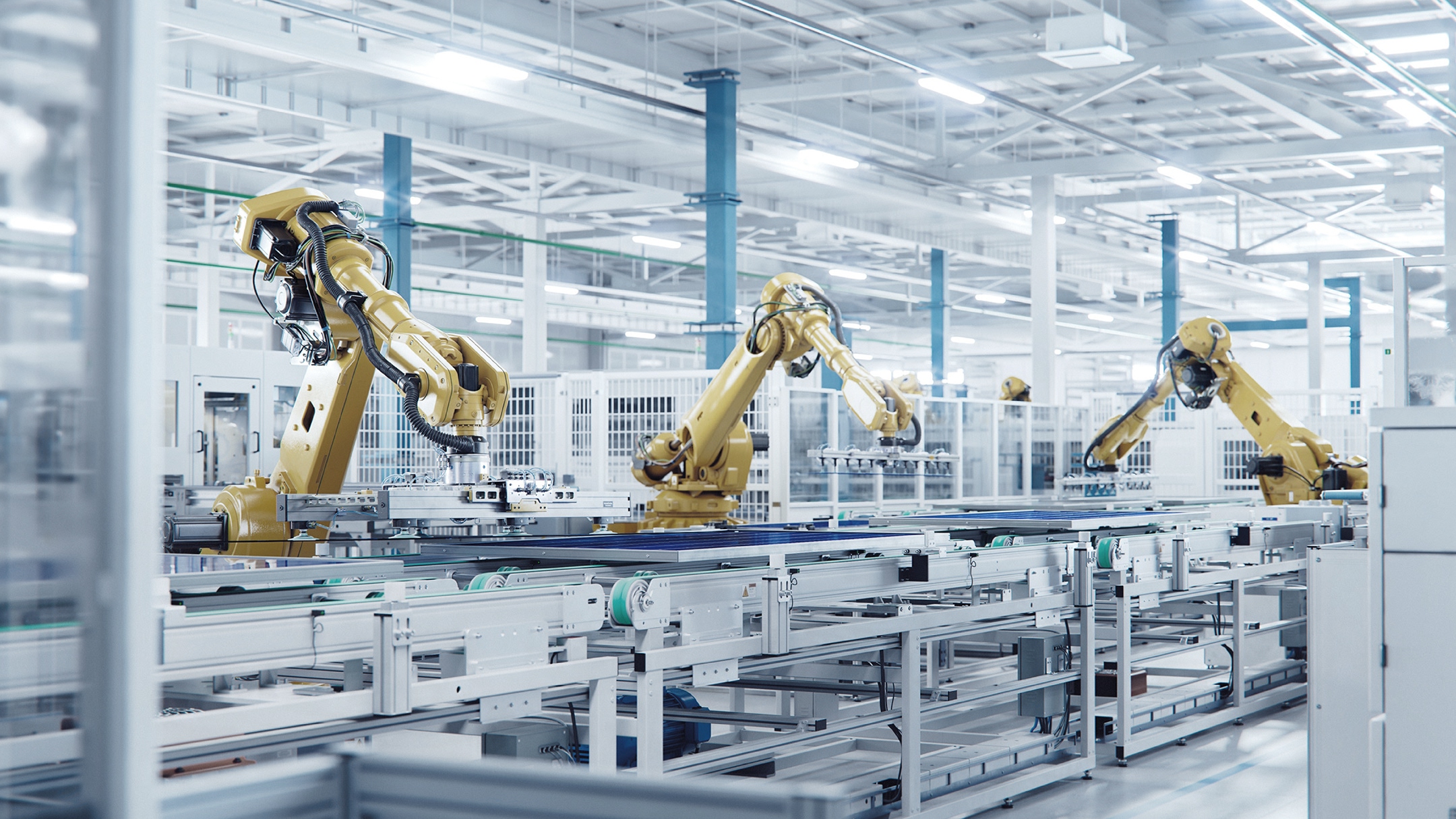
Meeting all that new demand is one challenge. Meeting it with clean supply is another.
“We are starting to see an inflexion point,” says Frédéric Godemel, Executive Vice President of Energy Management at Schneider Electric. “Global electricity demand growing at around 4% each year. But with carbon emissions expected to peak in the near future, we could soon be producing more power with less carbon.”
This progress remains fragile as demand arrives faster than transmission capacity can expand. Outdated grid infrastructure, centralized and slow to adapt, has become a brake on growth. Meeting the energy needs of this decade will depend not only on cleaner generation but also on how intelligently societies manage and moderate demand.
Rethinking Demand to be Smarter, From Efficiency to Flexibility
If the supercycle defines the scale of the challenge, the demand side of the energy equation must define the solution.
To date, efficiency and demand-side measures have been treated as the “quiet” side of the energy story—useful for saving costs or hitting sustainability targets, but not essential to system reliability or growth. The bias, rather, has tended toward supply: build more capacity, generate more power.
As renewables become more cost-competitive, much of the focus is on expanding wind and solar, which are now the fastest and cheapest power generating technologies to deploy globally at $0.034 per kilowatt-hour for on-shore wind and $0.043 per kilowatt-hour for solar PV.5 This cost is lower than or competitive with new coal and gas plants which can be more expensive to build and operate, depending on the market.6
Only focusing on the supply side, however, ignores system dynamics, in which every new kilowatt of clean generation must be balanced in real time, transmitted through limited infrastructure, and matched with fluctuating patterns of use. When efficiency gains lower costs but consumption rebounds elsewhere—a phenomenon known as the rebound effect—the system’s overall load still rises.
Consider lighting: As LEDs replaced incandescent bulbs, the energy required per lumen fell by 75% or more,7 yet total lighting energy use declined far less than expected.
Cheaper illumination led to more lights that often stayed on for longer.
The result is a treadmill: We produce cleaner, more efficient electricity, but never quite enough.



“Energy efficiency could deliver over a third of all CO2 emission reductions by 2030,” says Godemel. But efficiency alone cannot close the growing gap between demand and supply, it must be accompanied by flexibility.
Flexibility is increasingly achieved through digital coordination and automation. Homes and businesses can now respond to signals that align energy use with periods of abundant supply in real time.
These technologies embed responsiveness into devices, buildings and operations, translating complex grid dynamics into practical decisions that help consumers and companies participate in balancing the system without disruption.

“When we align homeowner comfort with grid reliability—through responsive control of EV charging, HVAC, water heating, and storage—we create real win-wins,” says Arch Rao, founder and CEO of SPAN. “We’ve proven the tech works—now we need seamless integration and reliability at scale, connecting millions of devices to operate with the same trust and coordination as a single power plant.”
Not only does this free up grid capacity, it can support decarbonization: aligning consumption with the availability of clean power. True decarbonization requires cutting the energy intensity of GDP at the same time that we reduce the carbon intensity of energy. That means producing more economic value per kilowatt, not just producing more clean electricity.
Making demand “smarter”—combining efficiency with flexibility—a central pillar of energy strategy is the only way to break these cycles. Many facilities already have the technology to reduce or shift their loads, yet adoption remains slow. Habits, short investment cycles, and limited incentives are keeping these gains from being realized.
The Economics of Smarter Energy and the Dual Role of AI
Managing demand is as much an economic challenge as a technical one. In BloombergNEF’s Net Zero Scenario, annual grid investment reaches about $800 billion by 2030, rising to nearly $500 billion even in a slower pathway.8

Source: BloombergNEF
Note: Scenarios from BNEF's New Energy
Outlook 2024.
In the US, utilities will spend $1.1 trillion over five years9 to meet surging demand from data centers, EVs and industry. About 12% of this investment will fund digital tools that better coordinate supply and demand, reducing costs and grid strain.
“AI will be one of the most impactful technologies,” says Godemel. “AI multiplies the power of digital, optimizing energy systems much more efficiently than a human can. We already have applications for homeowners that continuously assess solar production, car-charging habits and weather forecasts to determine the best scenario for energy use at any point in the day.”
However, there is an observable strain emerging at the margin. Near some major data center clusters in the US, wholesale electricity prices have risen as much as 267% in just five years, reflecting how concentrated loads can distort local markets.10 The cost burden is often passed through to end users, magnifying the need for smarter demand systems.

That dual role of AI is clear: it is power hungry even as it promises to optimize usage. According to Bloomberg Intelligence, generative-AI workloads consume up to ten times more power than conventional computing tasks, especially as AI models shift from training to inference and scale globally.11
Real-world projects are beginning to show how demand flexibility works at every level. On factory floors, AI-assisted controls are cutting energy use in industrial clusters such as the Port of Rotterdam, where manufacturers coordinate directly with the grid. On Scotland’s Isle of Islay, network operator SSEN, in partnership with Schneider Electric, has invested in flexible connections and smart management tools that improve energy security.12
For Godemel, this is the economic argument for smarter demand. Digital systems do not just optimize consumption; they create a feedback loop between price, behavior and grid stability. Smarter energy use pays back quickly and builds resilience for the long term.
A Future That Works at Scale: Collaboration as a Force Multiplier
To power the future, we must change how energy is used, not just how it’s generated. But scaling smarter demand requires coordination no single sector can achieve alone.

“Every energy problem is a cross-sector problem,” says Frédéric Godemel. “If you try to fix it from one angle, you miss the whole picture. Collaboration among companies, governments and citizens is the only way forward.”
To help align the effort, the Energy Technology Coalition was formed to bring together corporates, investors, regulators and policy leaders around a shared goal: accelerating demand-side technologies to modernize our energy systems so that we can meet the needs of the global electrification supercycle.

“Demand-side innovation and investment are too often ignored in our forward thinking. Regardless of the carbon intensity of the electrons coming into the system, there are huge cost, efficiency and flexibility benefits from managing demand better,” says former UK Minister of State for Energy and Clean Growth Claire O’Neill. “It’s now so much easier to make this case – especially to the energy intensive process industries struggling with structurally high energy costs in many regions.”
The Coalition, co-chaired by Bloomberg New Economy and Schneider Electric, serves as a convening platform for that systemic change, connecting early adopters, regulators and capital providers to demonstrate what coordinated demand-side management can deliver in practice.
Learn more at bloombergneweconomy.com/entech

Sources:
- [1] New Energy Outlook
- [2] New Energy Outlook
- [3] BNEF
- [4] World Bank
- [5] IRENA
- [6] BNEF
- [7] Energy.gov
- [8] BNEF
- [9] Bloomberg
- [10] Bloomberg
- [11] Bloomberg Intelligence
- [12] SSEN