
The Bloomberg New Economy Dynamic Cities Coalition convenes global leaders
In the face of rapid urbanization, widespread economic volatility, and climate catastrophe, society needs new sustainable development models and resilience strategies to harness the full potential of the world’s principal motors of growth—cities. But a fragmented urban value chain has resulted in piecemeal and disjointed progress, leaving untapped the ability that cities have to drive efficiencies and respond with agility to overlapping challenges.
Focus Areas
The Dynamic Cities Coalition advances an action-oriented agenda for urban transformation by convening city governments, investors, developers, architects, businesses, and urban experts to identify and accelerate solutions that strengthen urban competitiveness, resilience, and sustainability. Grounded in data and evidence, including insights from the Dynamic Cities Dashboard, the Coalition supports collaborative research, convenings, case studies, and strategic communications that showcase successful urban innovations, inform business and public-sector decision-making, and accelerate the development of more sustainable, inclusive, and economically dynamic cities.
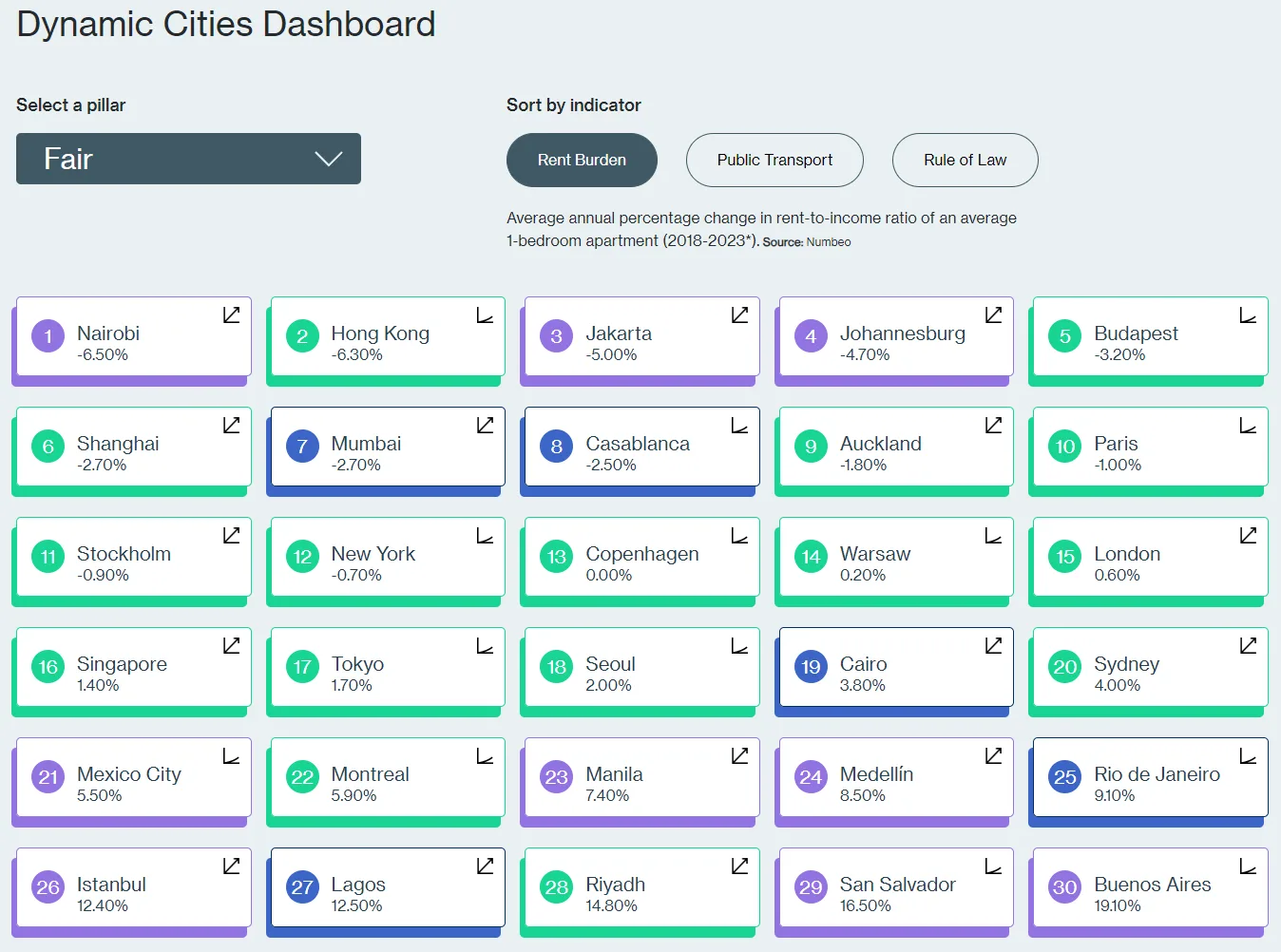
Dynamic Cities Dashboard
As the future of the global economy increasingly shifts East and South, society needs a better lens to assess the world’s principal motors of growth — cities. Based on the principles of the Bloomberg New Economy Dynamic Cities Framework, published in 2021, the Dashboard evaluates, tracks, and aims to catalyze progress as booming metropoles strive to be Fair, Happy, Sustainable, Data-driven, Innovative, and Responsive hubs for talent and development.
The first iteration of the Dashboard focuses on 6 pillars, tracking and providing case studies around 18 metrics in 30 cities across 14 geographic regions, while defining 6 archetypes in order to make reasonable comparisons that will ultimately allow us to identify different paths to progress.
Case Studies
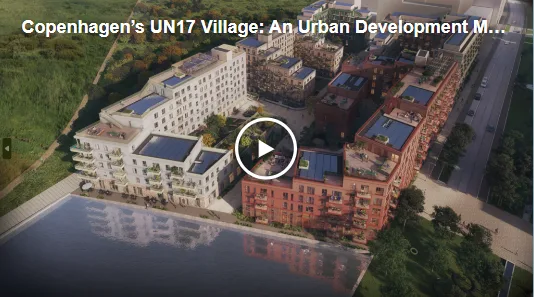
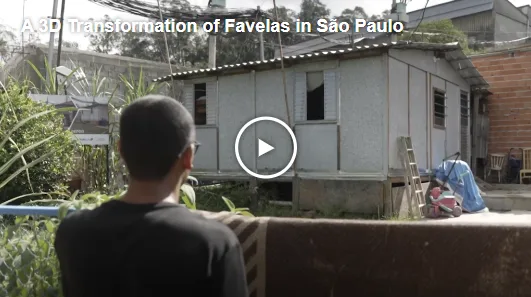
What does a favela in Sao Paulo, Brazil have in common with a neighborhood in Copenhagen, Denmark? Multi-dimensional whole-neighborhood transformations that take into account the social and physical infrastructure that supports a thriving community.
Learn how two Coalition member organizations, in very distinct parts of the world, are changing lives.
Case Studies
“What we do is to transform an absolutely abandoned, poor, miserable area into a great laboratory for innovation and dignity.”
— Edu Lyra, Founder and Chief Executive Officer of Gerando Falcões
Coalition Members
Dynamic Cities Coalition members include the world’s leading architects, urban planners and developers, current and former mayors, innovators, social entrepreneurs, corporate representatives, financiers, and cities experts.
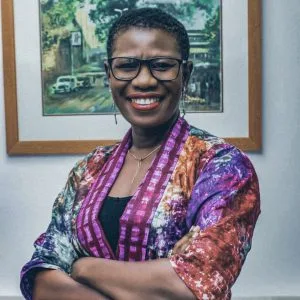
Yvonne Aki-Sawyerr
Mayor of Freetown Sierra Leone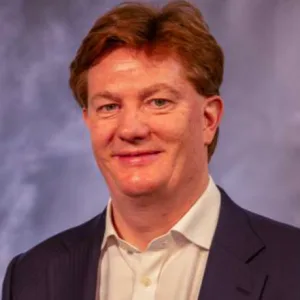
Sir Danny Alexander
CEO of HSBC Infrastructure Finance (HIF) & Sustainability, CIBFounding Partner
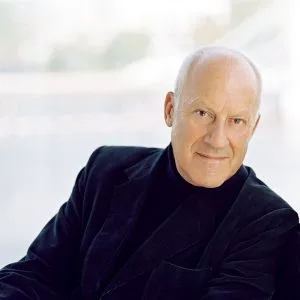
Norman Foster OM
President Norman Foster Foundation
Edu Lyra
CEO & Co-Founder, Gerando Falcões Brazil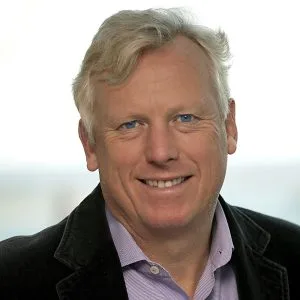
David Miller
Managing Director, C40 Centre for City Climate Policy and Economy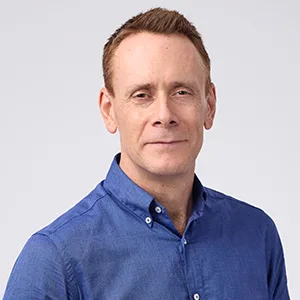
Ben Simpfendorfer
Partner; Hong Kong and APAC Head Oliver Wyman; Oliver Wyman Forum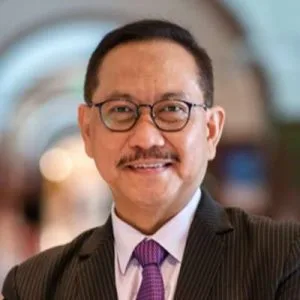
Bambang Susantono
Professor in Urban and Regional Planning, specializing in Livable and Sustainable Cities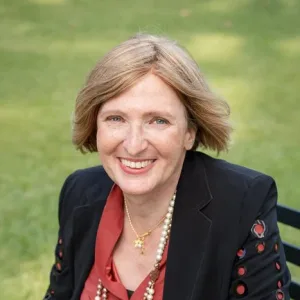
Dr. Lola Woetzel
Founder and Managing Partner Global6